Laser cleaning
A pulsed laser takes off rust, oxides and old coatings exactly where we aim. No abrasive, no chemicals, no water.
Send inquiry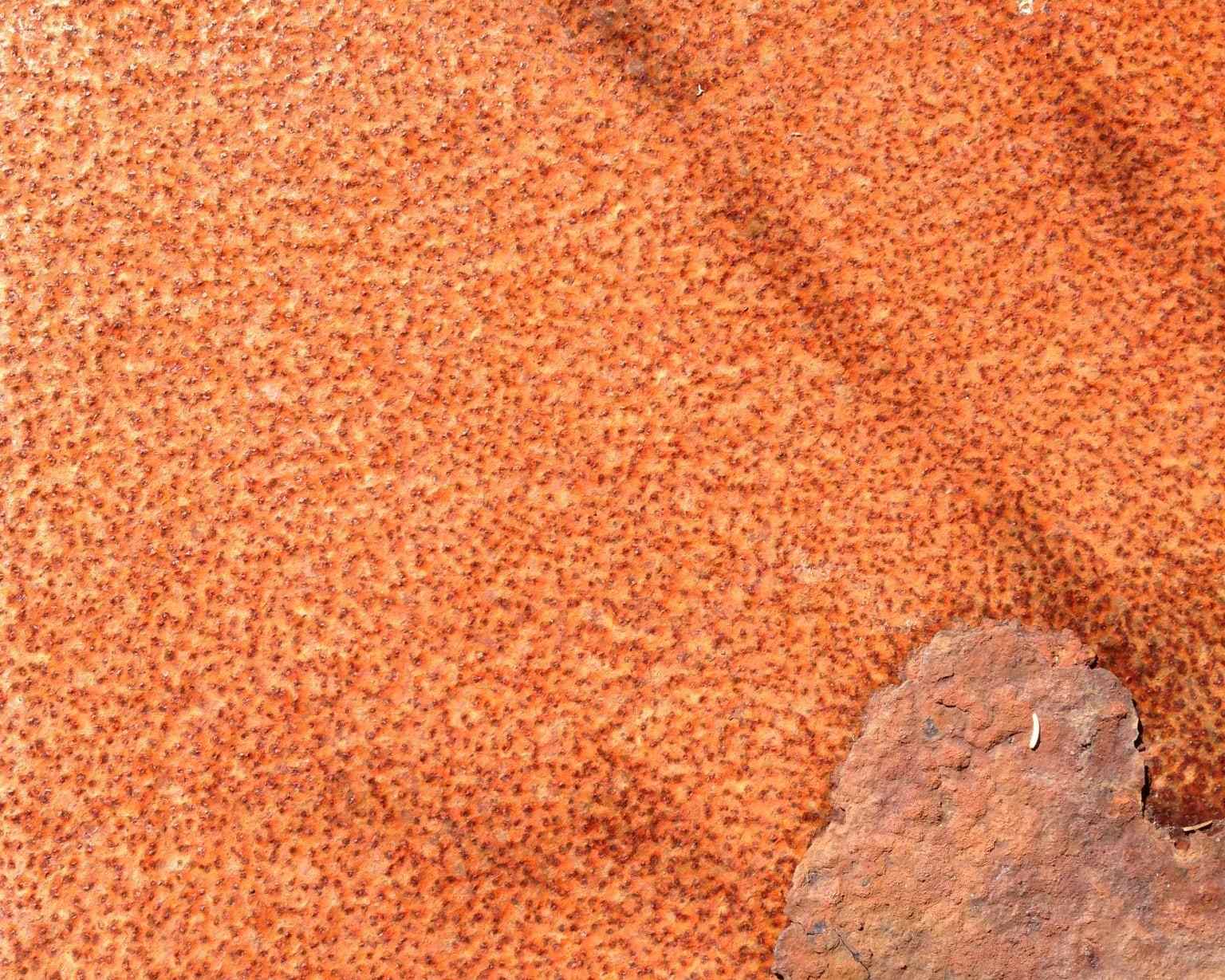
How the laser cleans
A pulsed fibre laser fires very short, powerful pulses of light. The surface layer absorbs them, heats up and vaporises. This is called ablation.
Short pulses
The energy arrives in short bursts, so the material under the layer barely heats up.
Layer ablation
Rust, oxides, old paint and grease absorb light better than bright metal, so they vaporise first.
The metal stays
With the right power and speed, the base metal is not harmed. It stays clean and ready for protection or paint.
When laser and when dry ice
The methods do not rule each other out. Often they work best together.
Combination
Dry ice for the dirt, laser for the rust. First we clean the surface, then the laser removes the corrosion and the metal is ready for protection.
Laser
Rust, oxides, mill scale and old coatings that hold firmly to the metal.
Where we use the laser
Cars and parts
Rust on underbodies, frames, axles and individual parts.
Steel structures
Local corrosion and old coatings on beams, railings and structures.
Moulds
Deposits and residue on moulds where no wear is allowed.
Welds
Oxides and heat tint around welds, and surface prep before welding.
Restoration
Metal parts of classic cars, tools and objects where every detail matters.
Safety
An industrial laser calls for precautions. We always set up the work area so it is safe for everyone around.
Laser class
Cleaning lasers are in the highest class. So we mark off the work zone and keep unauthorised people out.
Safety glasses
The operator and everyone in the zone wear glasses rated for the laser's wavelength.
Extraction
A filtered extraction system captures the vaporised layer, so no dust or fumes stay in the air.
Laser FAQs
Will the laser damage the metal?
Not with the right power and speed. The laser removes the surface layer and the base metal stays. We always test the settings on a small area first.
Does the laser remove rust completely?
Surface rust and oxides, yes. If corrosion has already eaten into the metal, the laser cleans it, but it cannot bring back missing material. We see that at the inspection.
Is the laser suitable for large areas?
The laser is precise but slower on large areas. So we usually clean large areas with dry ice and use the laser where there is rust or old paint.
What needs to be done after laser cleaning?
Bare metal needs protecting as soon as possible, or it oxidises again. That is why we usually apply a protective layer or primer after the laser.
Do you also use the laser at the customer's site?
Yes, if the location allows it. We need to mark off a safe zone and have a power supply. We confirm the conditions at the inspection.
Send an inquiry
Tell us what you need and add photos if you like. We will get back to you within 24 hours.